Four image models in February: does any of them actually beat Nano Banana Pro?
Recraft V4, Seedream 5.0, and FireRed all shipped in the same month. One only generates, one only edits, the other two do both. We tested them with the same prompts to see if there's a real reason to switch.

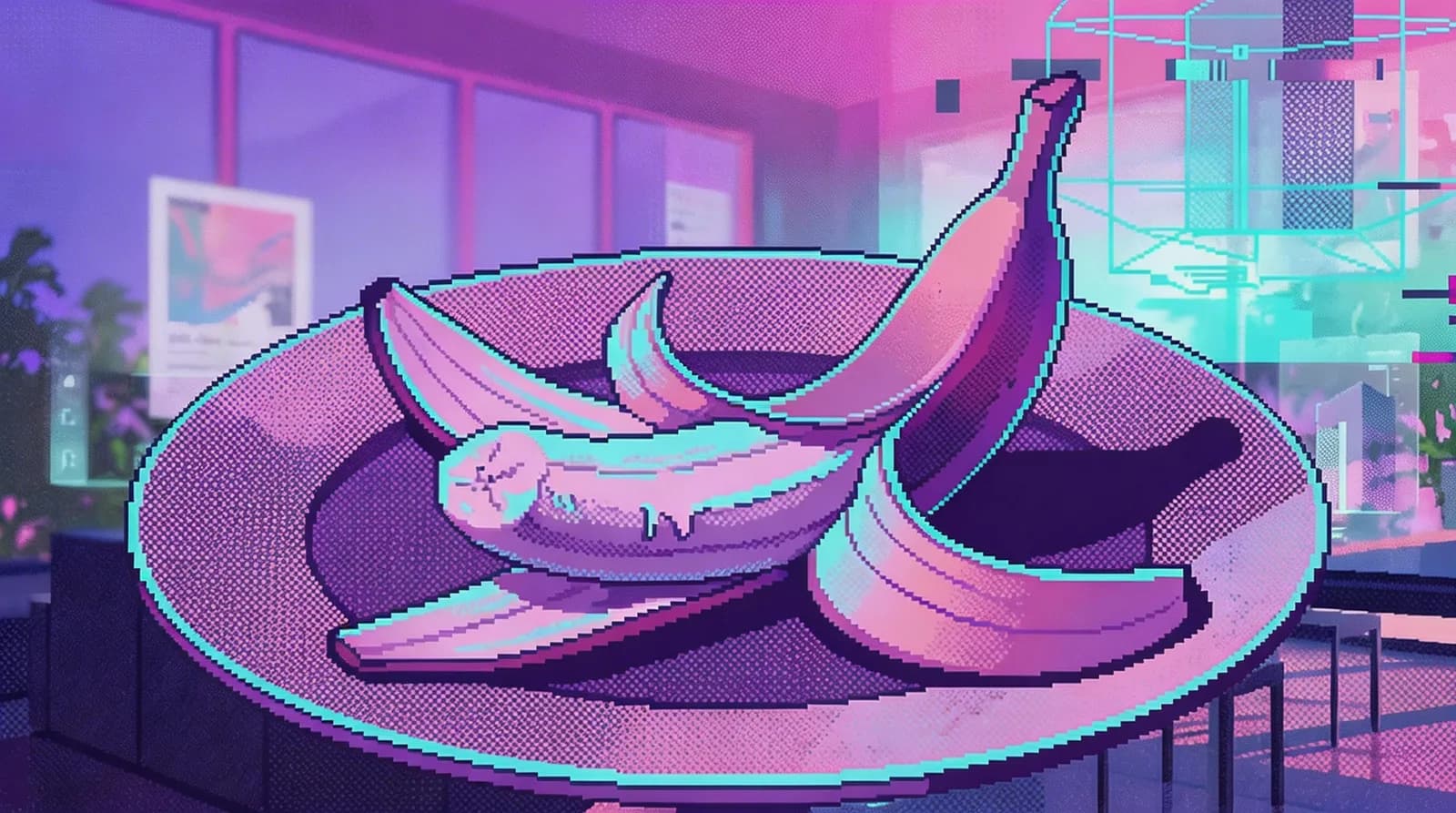
February brought three new image models: Recraft V4 (text-to-image only), ByteDance's Seedream 5.0 (generates and edits, with visual reasoning), and Xiaohongshu's FireRed (edit-only, open source, strong paper benchmarks). Meanwhile, Google's Nano Banana Pro is still the one we use the most - it generates and edits with the consistency you need when you're producing, not experimenting. The obvious question: do any of the new ones have a real reason to dethrone it? We ran them with the same prompts to find out.
The real comparison: generation
Enough theory. We grabbed two cinematic prompts and ran them on Seedream 5.0, Recraft V4, and Nano Banana Pro. Same text, same parameters. Let's see what comes out.
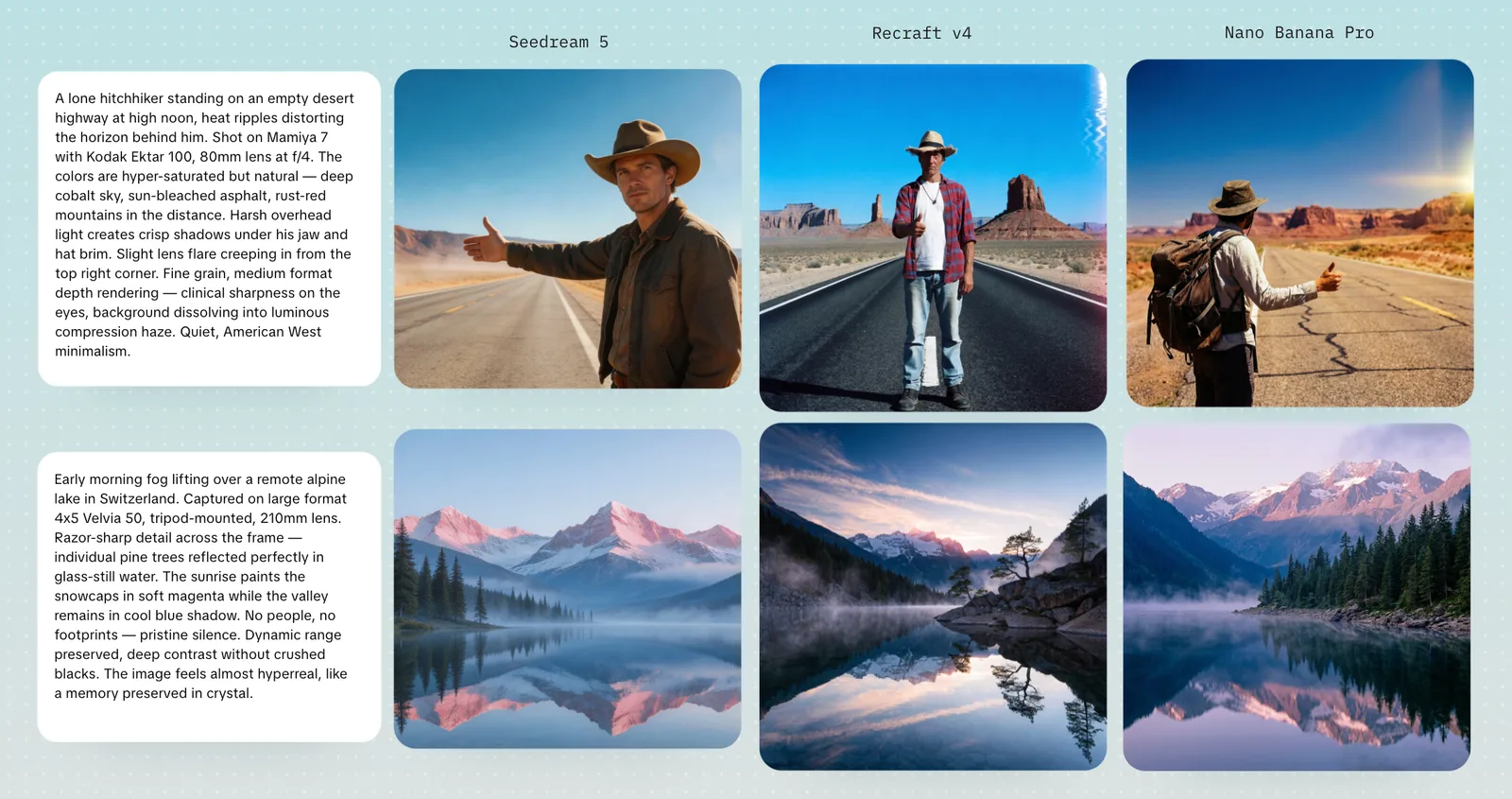
A hitchhiker in the American desert
The prompt asked for something specific: a guy alone on an empty road at noon, shot on Mamiya 7 with Kodak Ektar 100, hyper-saturated but natural colors, fine grain, medium-format depth.
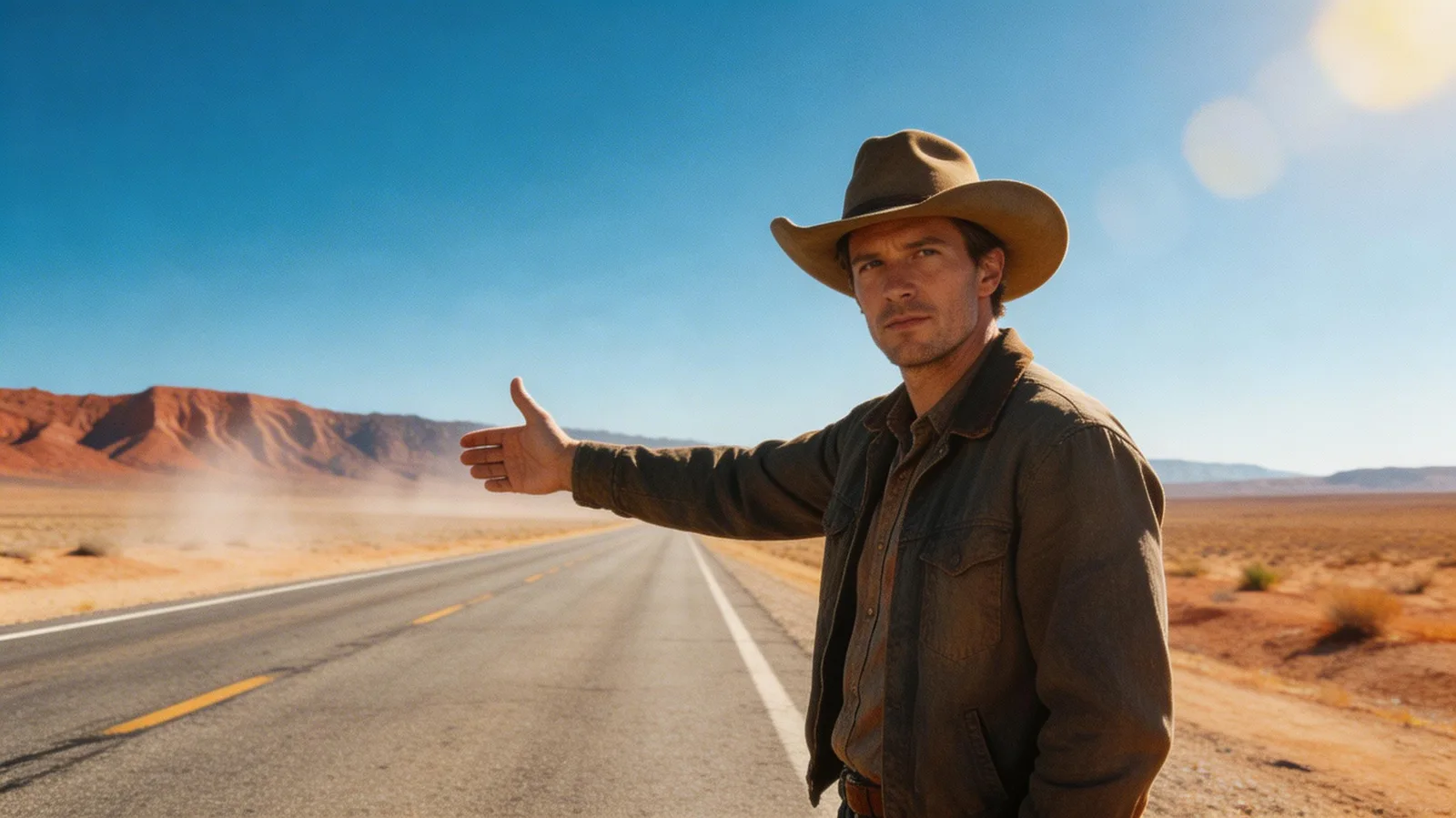
Seedream 5.0 is the one that comes closest to the literal prompt. Guy facing forward, brown shirt, cowboy hat, empty road, dry desert. Feels like a real photo. It followed the camera and film stock instructions - the grain, the saturation, the medium-format background compression all show. It's the most faithful to what you asked for.
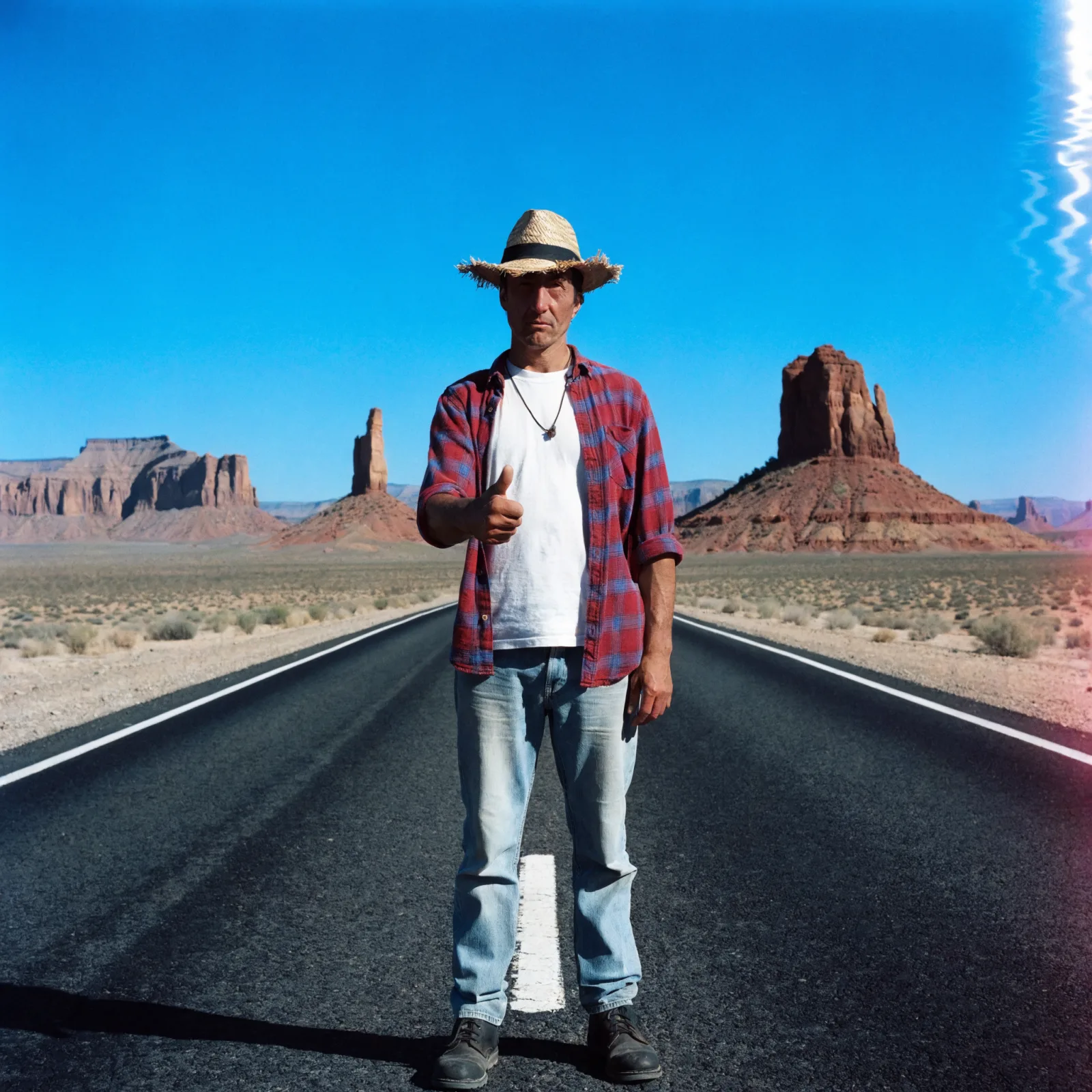
Recraft V4 went somewhere else. Red plaid shirt, Monument Valley backdrop, more saturated, more "movie poster." The composition is dramatic and feels intentional - that's the "design taste" they promise - but it drifted from the prompt. The rocks in the back look placed for the sake of looking good, not because the text asked for them. Less photorealism, more art direction. If you're after a "directed-looking" image, it works. If you need the model to do what you asked, less so.
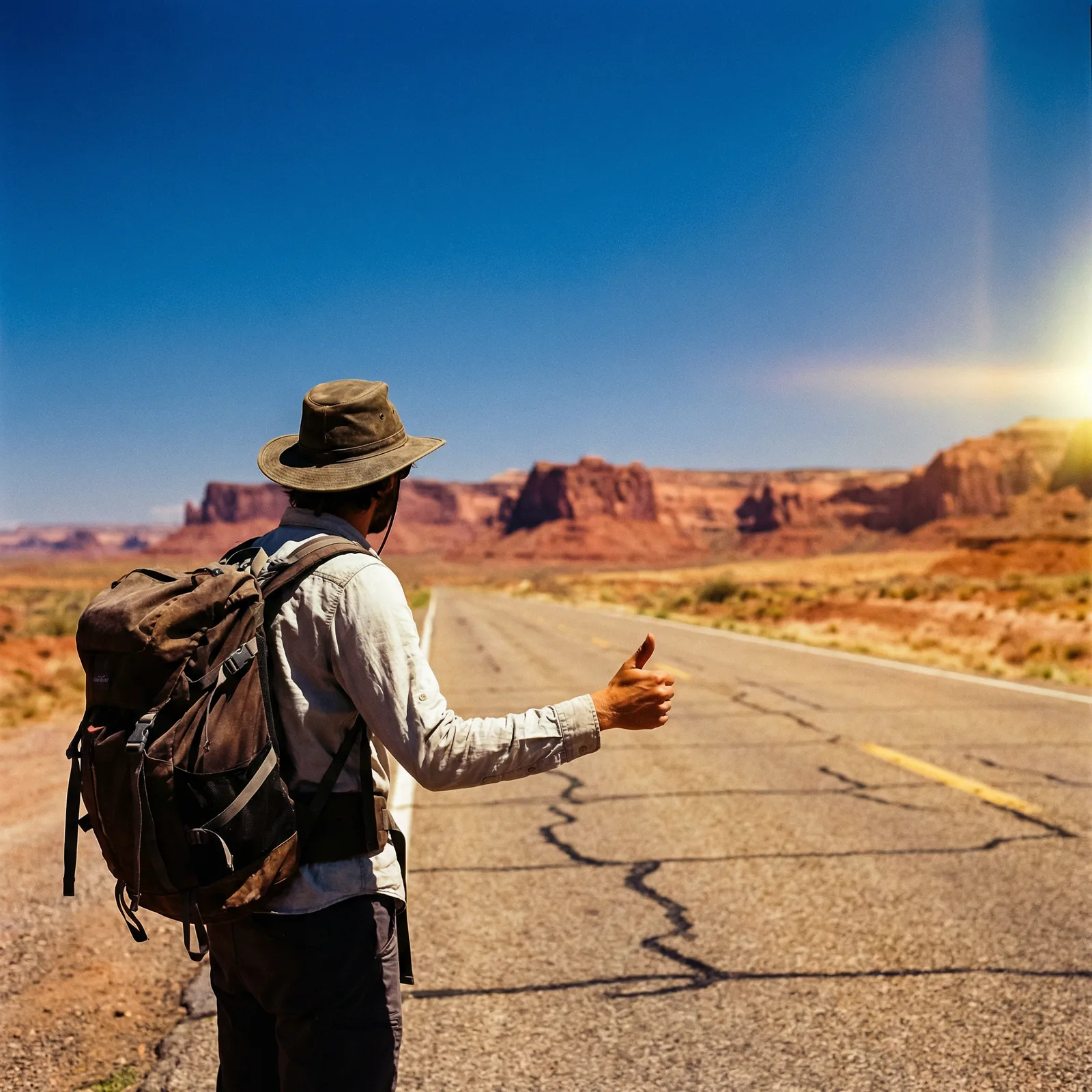
Nano Banana Pro read it differently: guy from behind, with a backpack, straw hat. Sun lens flare. It's the one that most looks like a photo taken by someone who was there, walking next to the road. But it took liberties: the clothing isn't what was described, the hitchhiker is looking elsewhere. Visually excellent, but it follows the prompt only loosely.
An alpine lake at dawn
Second prompt: mist rising over a remote lake in Switzerland, 4x5 Velvia 50 format, razor-sharp detail, perfect reflections on still water. Pristine silence.
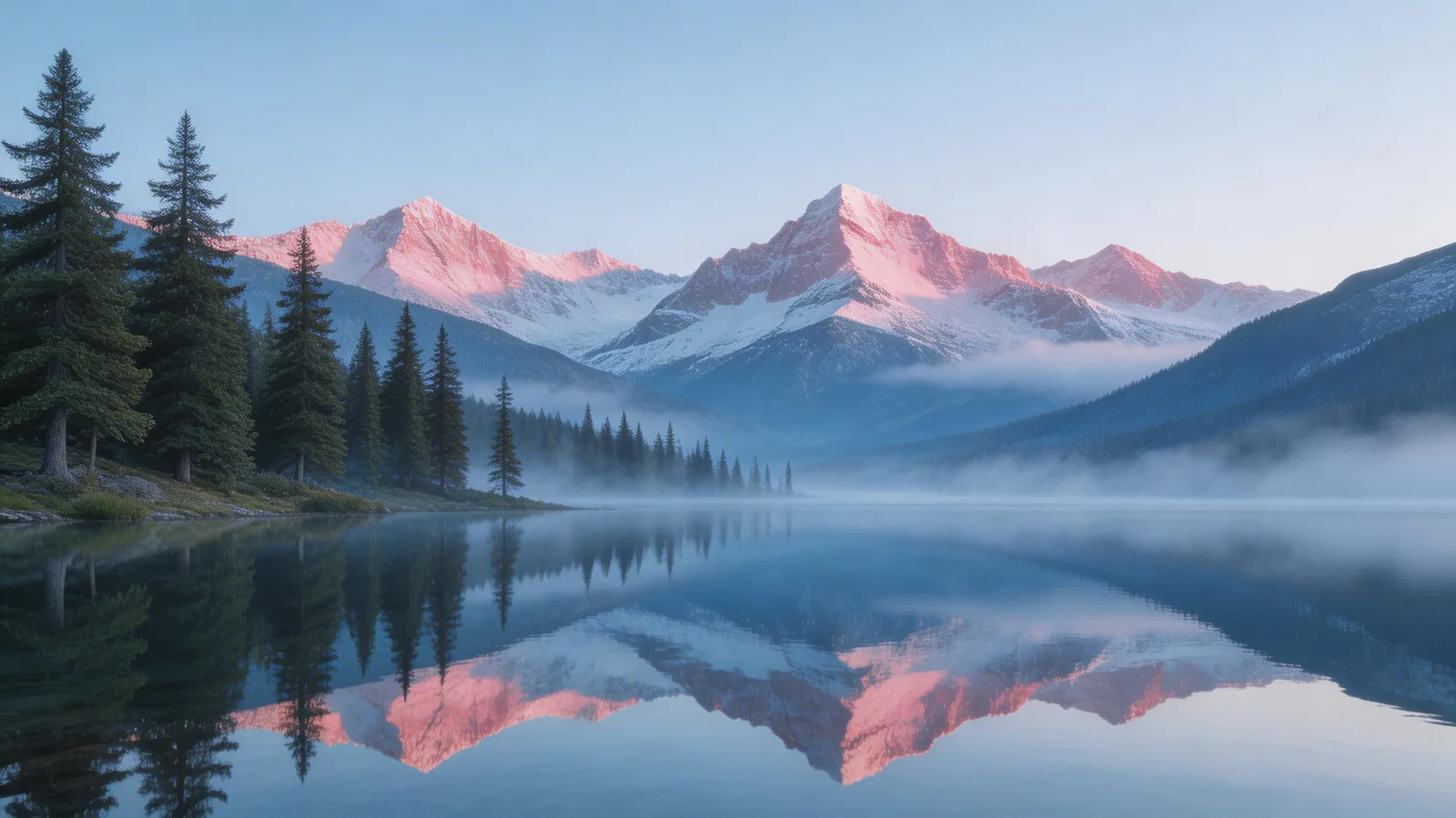
Seedream 5.0 nails the mood. The rising mist, the pines, the dim light. Atmospheric, still. Feels like a serious landscape photo.
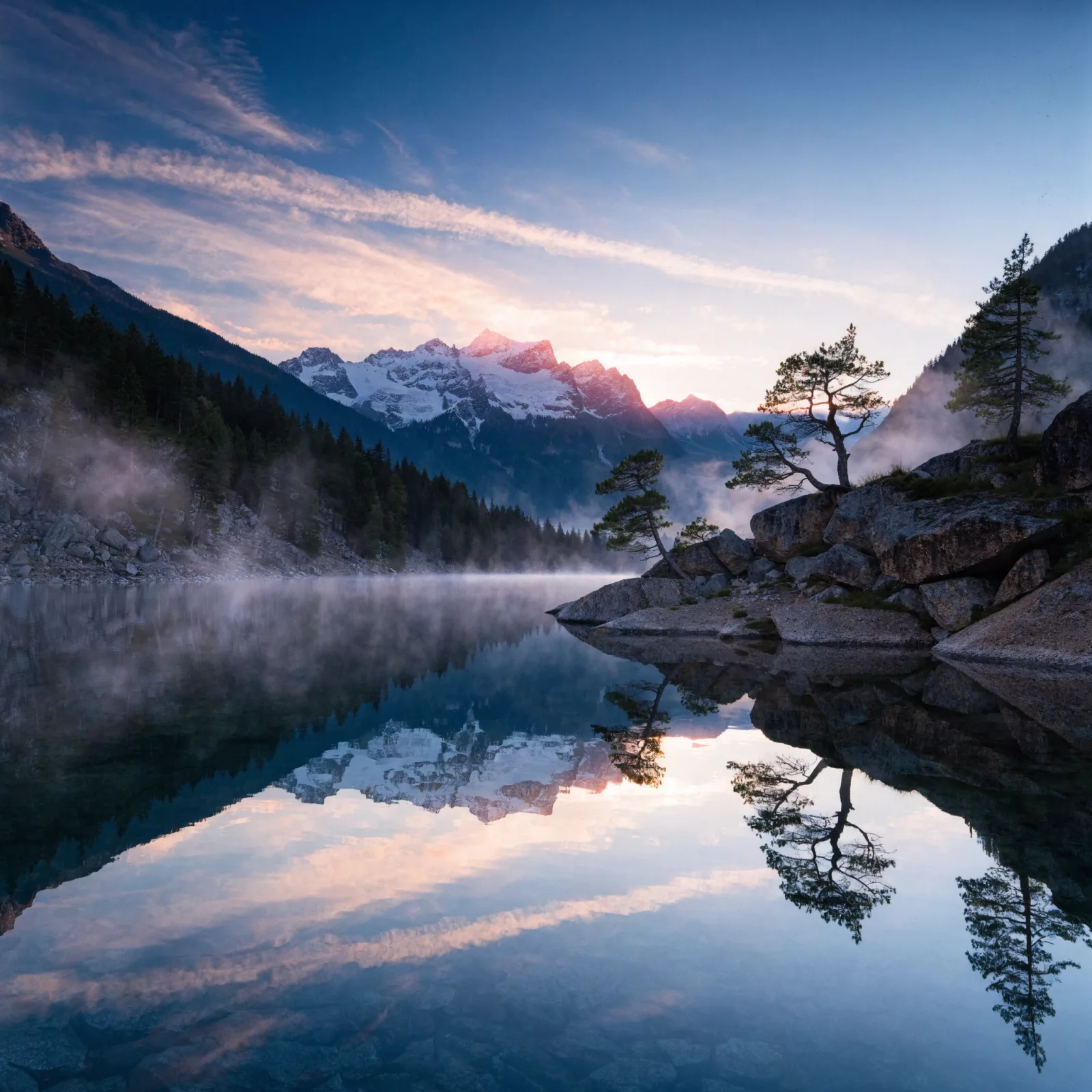
Recraft V4 produces something that looks more like an illustration or an exaggerated HDR. Highly saturated blue-violet mountains, everything feels "designed" rather than "photographed." It's nice, but not what you asked for. The prompt said Velvia 50, not Instagram filter.
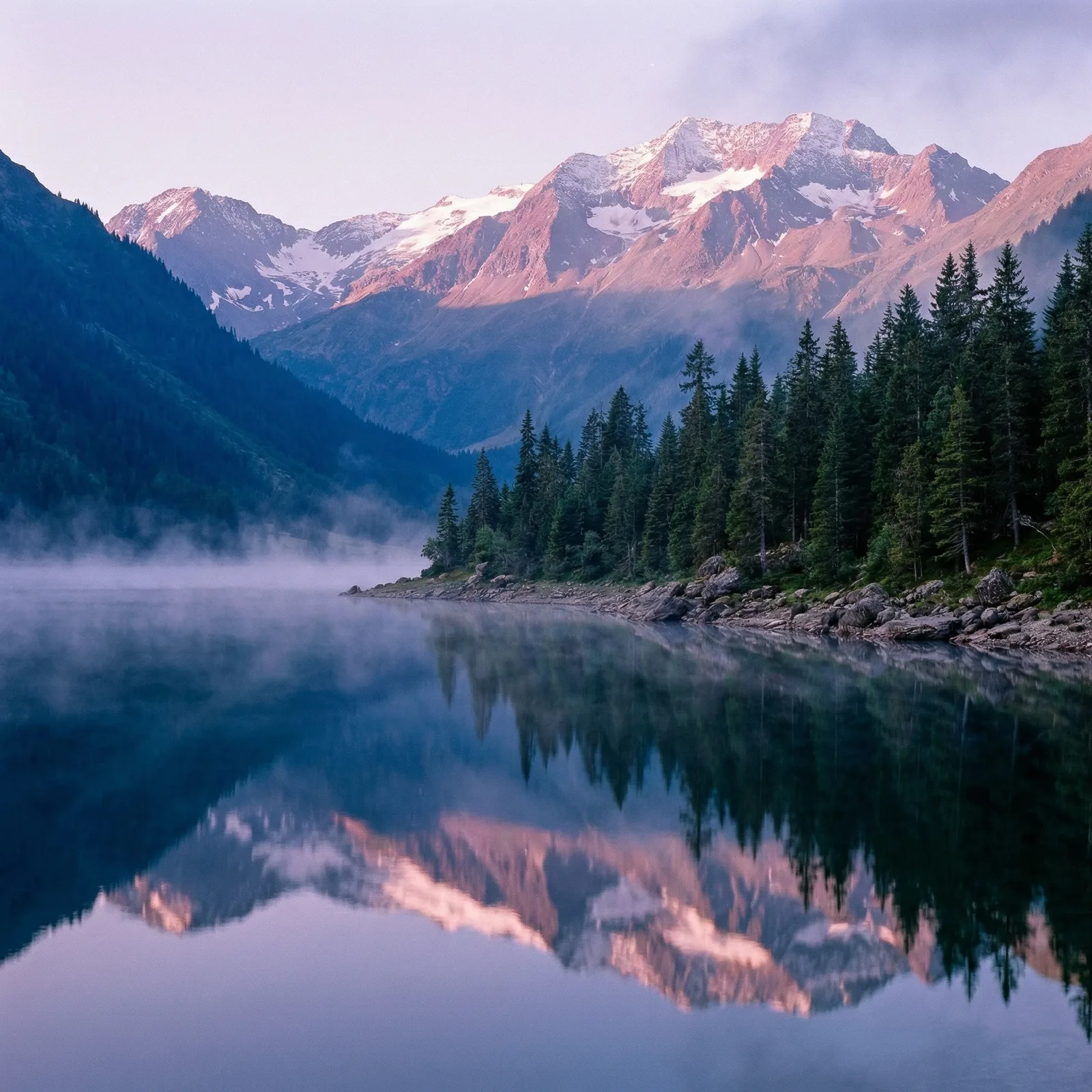
Nano Banana Pro is the most believable as a real photo. Natural colors, a bare tree in the foreground that adds depth, the reflections on the water feel organic. The dynamic range the prompt asked for is there - cool shadows in the valley, soft magenta on the peaks. Of the three, it's the closest to opening a Velvia slide on a lightbox.
What generation tells us
Seedream 5.0 is the most obedient. It follows the prompt with precision and produces solid atmospheric photorealism. Recraft V4 takes the prompt as a suggestion and applies its own aesthetic taste - the images look nice but feel more "art-directed" than "photographed," and when you ask for something technically specific (film stock, lens, photo style), it interprets more loosely. Nano Banana Pro is the most photographic of the three, the one that most feels like a photo taken by a human, but it also takes liberties with prompt details.
The real comparison: editing
Recraft is out here - it doesn't have an edit mode. We played with Seedream 5.0, FireRed, and Nano Banana Pro. Same base image, same edit prompt. And here a variable almost no one mentions shows up: price.
Test 1: Product on a new surface
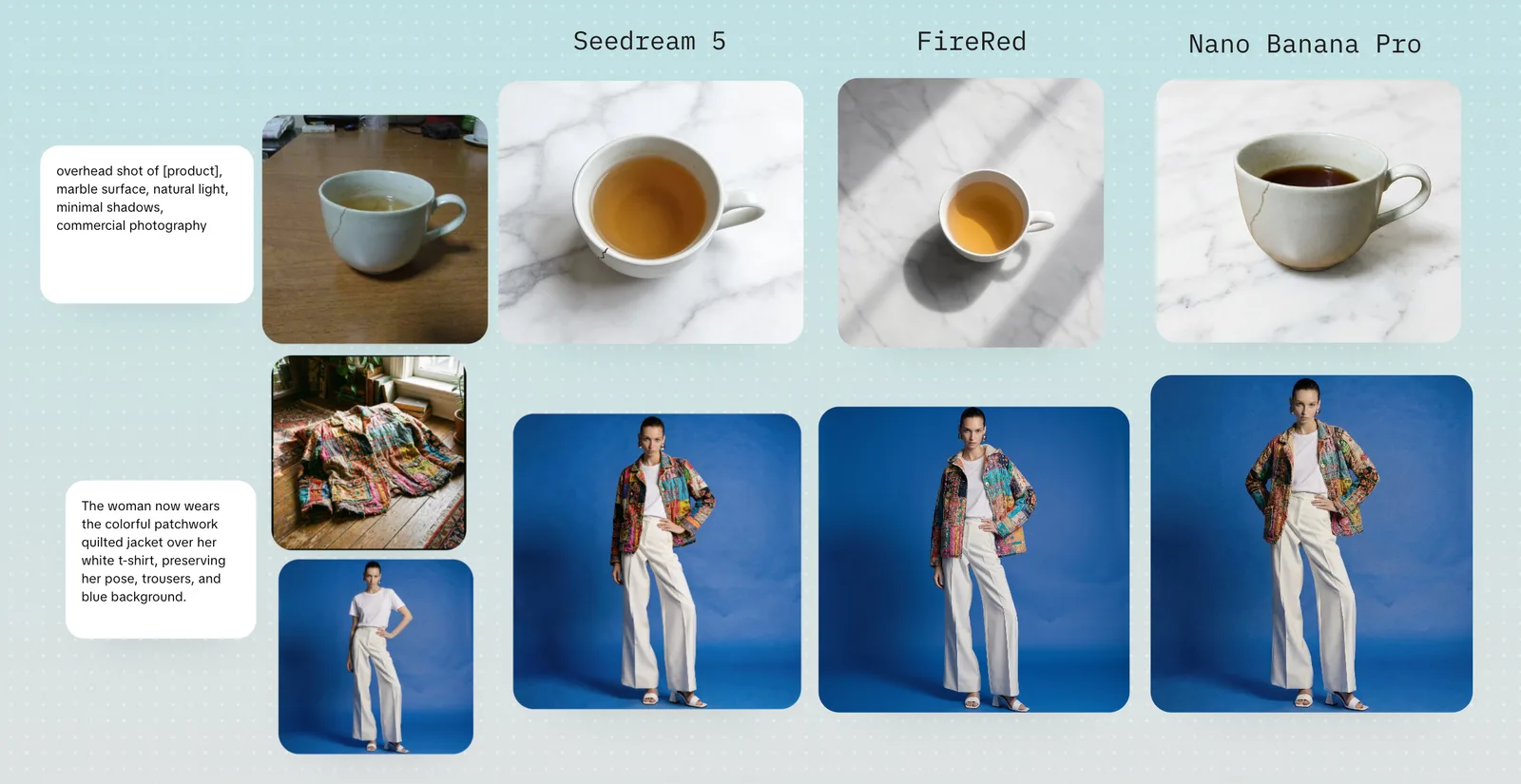
We took a photo of a teacup on a wooden table and asked: place it on a marble surface, top-down view, natural light, commercial photography.
| Metric | Seedream 5.0 | FireRed | Nano Banana Pro |
|---|---|---|---|
| Credits | 7 | 10 | 20 |
| Result |  |  |  |
Seedream 5.0 (7 credits) did clean work. Swapped the surface to marble, kept the cup fairly faithful, good natural light. At 7 credits it's hard to complain.
FireRed (10 credits) preserved the shape of the cup but the image feels flatter, less "product photography" and more "cutout pasted on marble." The marble is fine but the light and shadow integration doesn't convince.
Nano Banana Pro (20 credits) has the best visual quality. The shadow on the marble, the ceramic texture, the light - all of it feels real. But it took liberties: the cup changed, the liquid is darker, it's almost another cup. Beautiful photo. Not the cup you gave it.
Test 2: Virtual try-on
We took a photo of a woman in a white shirt and white pants, plus a reference photo of a quilted patchwork jacket. Prompt: have the woman wear the jacket, preserving pose, pants, and blue background.
| Metric | Seedream 5.0 | FireRed | Nano Banana Pro |
|---|---|---|---|
| Credits | 7 | 10 | 20 |
| Result | 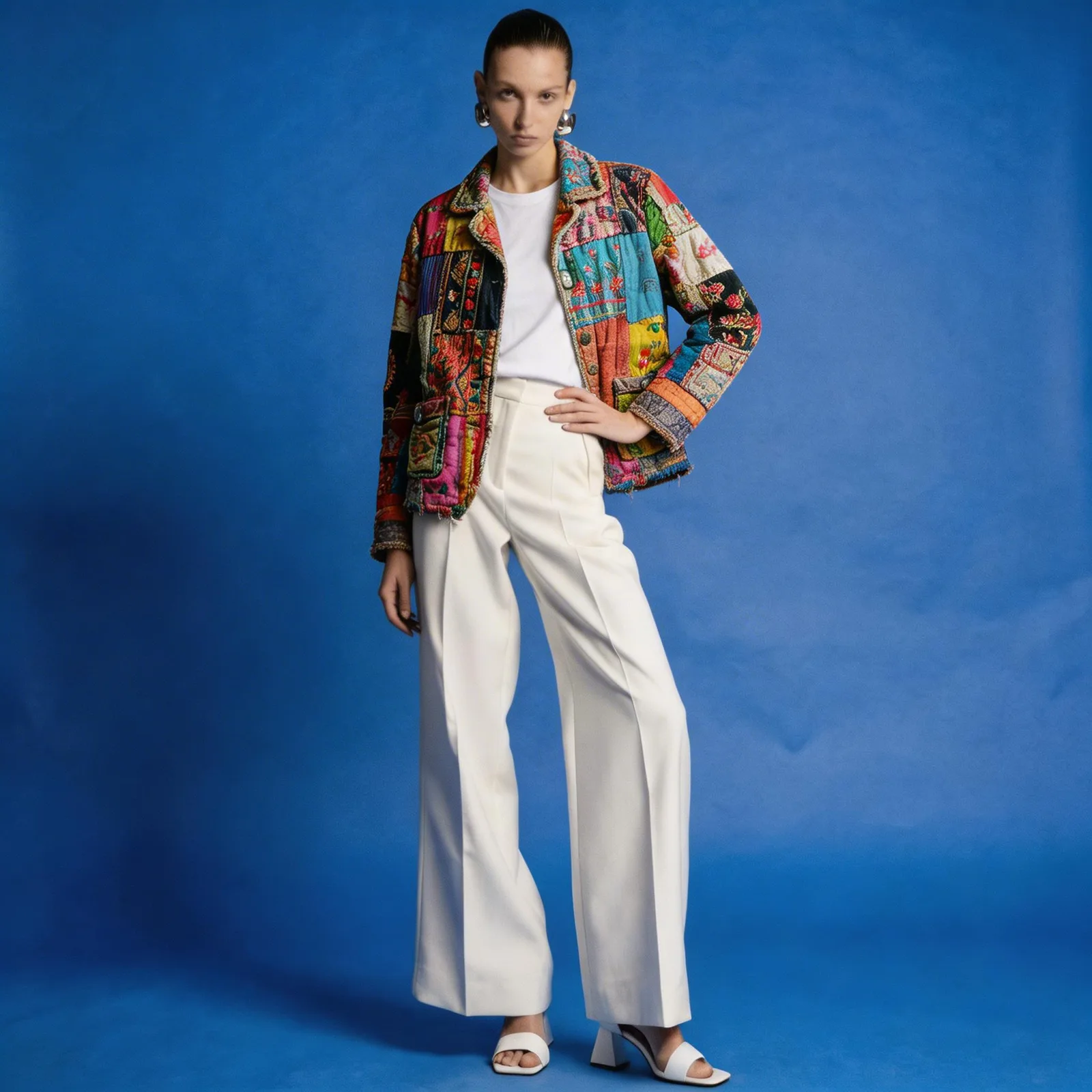 | 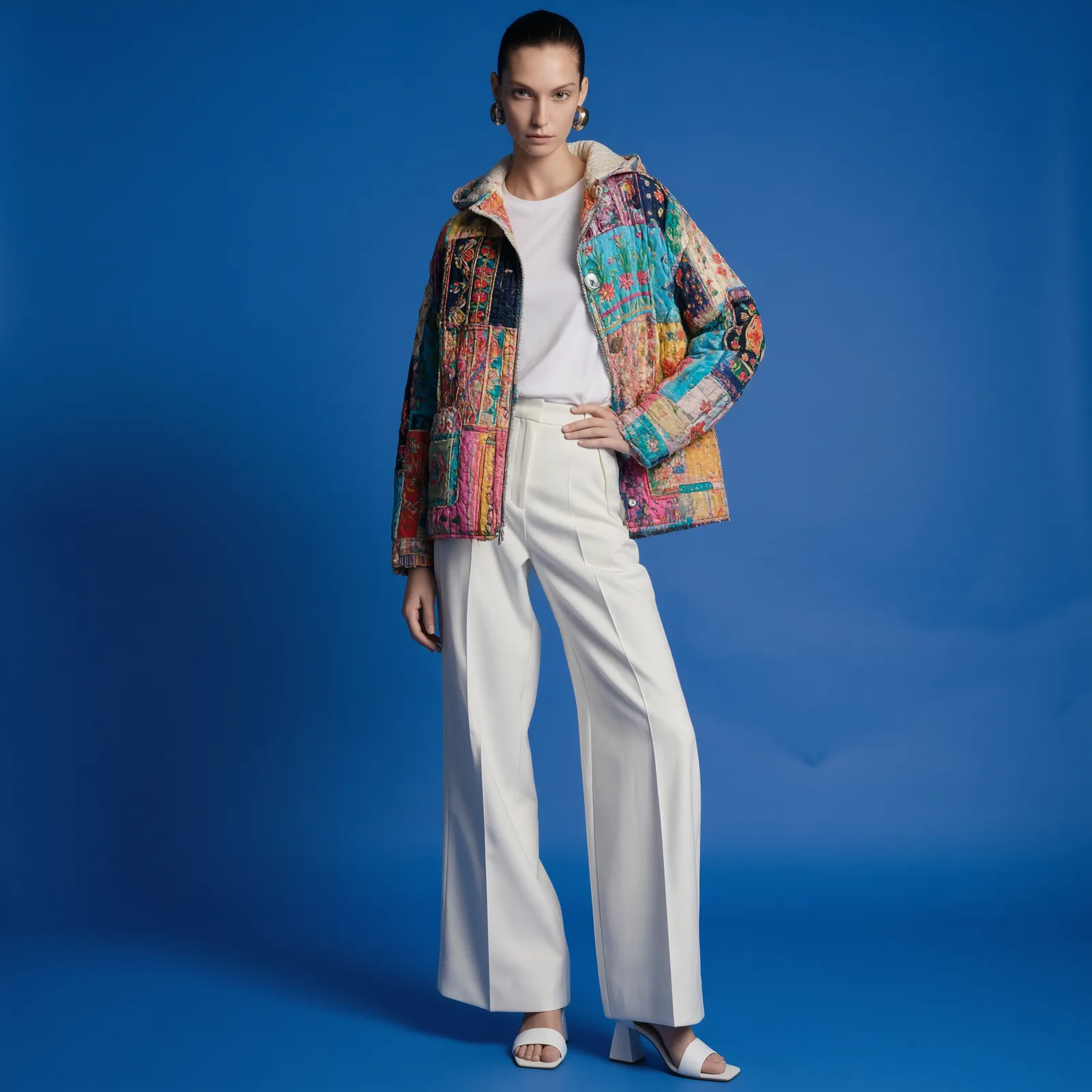 | 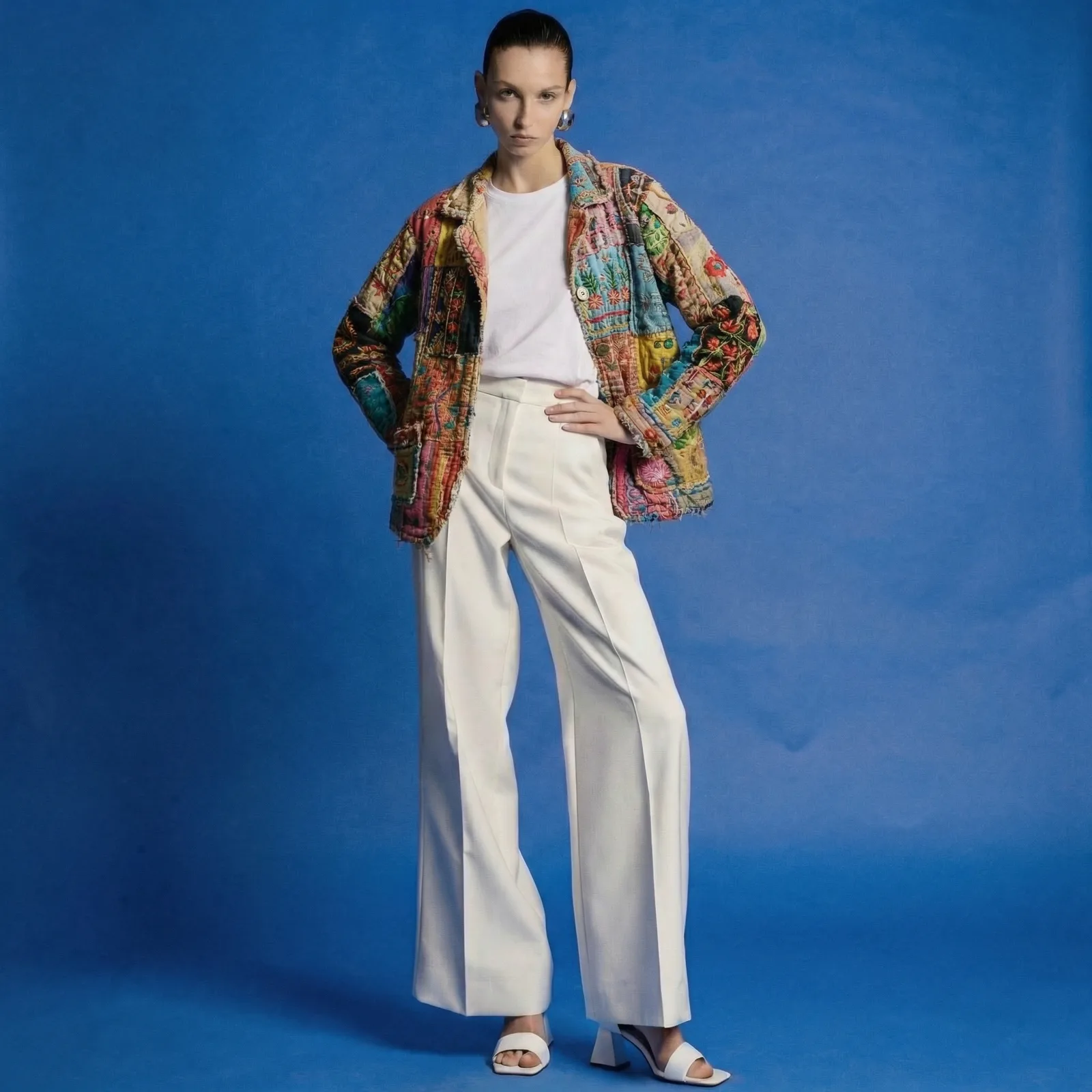 |
All three keep the pose, the blue background, and the white pants. The difference is in how they resolve the jacket.
Seedream 5.0 (7 credits) integrates the jacket believably. The colors and the pattern resemble the original. It delivers.
FireRed (10 credits) loses the textile's identity. It simplifies the patchwork pattern, and the colors aren't exactly the reference. At 10 credits, you'd expect more fidelity.
Nano Banana Pro (20 credits) lands the most natural integration - the jacket falls more realistically over the body, the texture feels three-dimensional. But at almost three times Seedream's credits, the difference doesn't always justify the cost. And it still has the same problem following the prompt: the result is beautiful, but it isn't always what you asked for.
What editing tells us
The piece most comparisons miss: price per result.
Seedream 5.0 at 7 credits is cheap. The result isn't the most polished visually, but it follows the prompt, preserves the object's identity, and lets you iterate three times for the cost of a single shot in Nano Banana Pro. For workflows where you need to test variants quickly, that's worth more than visual perfection.
Nano Banana Pro at 20 credits produces the prettiest results. Period. But the beauty comes with a double cost: high price, and no guarantee it follows the prompt. Sometimes it gives you exactly what you asked for, sometimes it decides it knows better than you what you wanted.
FireRed at 10 credits sits in an awkward middle. More expensive than Seedream, less polished than Nano Banana, with identity preservation issues the other two handle better. The paper benchmarks didn't translate into a practical edge in these tests.
What each one does best
Recraft V4 - The art director. When generating from text, the compositions feel intentional. Typography is the best of the four. But it only generates, doesn't edit. And it takes liberties with the prompt when its aesthetic taste tells it otherwise. If you need something visually striking and can iterate until it matches what you're after, it works. If you need the model to follow technical instructions to the letter, it's not the one.
Seedream 5.0 - The best cost-to-result ratio. At 7 credits per edit, it's the one that lets you iterate without feeling the hit. Follows the prompt better than the others. In generation, the visual reasoning and internet search are unique features. The trade-off in photographic realism vs. 4.5 is real but tolerable for most cases.
FireRed - The edit specialist that promised more than it delivered (for now). Edit-only, no generation. The benchmarks are impressive, but in real use the identity preservation and visual integration aren't on Nano Banana or Seedream's level. It's open source and only weeks old - it could improve fast. Today, it's not the first option.
Nano Banana Pro - The prettiest, the most expensive, the most temperamental. Produces the most photographic results in both generation and editing. But at 20 credits per Remix and with a tendency to reinterpret your instructions, it's not always the smart pick. It's the model for the final result, when you already know exactly what you want and need it to look perfect. It's not the model for exploring.
Compare quality, fidelity, and cost
Every time a new model ships, the question is the same: "Does this beat Nano Banana Pro?" And the answer is always: it wins at something, loses at something else. What changed this February is that for the first time there's a strong argument not to use Nano Banana Pro by default: cost. Seedream 5.0 at a third of the price, and better at following the prompt, is a serious option. Spending 7 credits per attempt instead of 20 means three variants for the price of one. In AI image generation, iterating is what matters most.
Compare the results side by side on the canvas using Convert to generate and Remix to edit. Check image quality, prompt fidelity, and credits per attempt.
Keep reading
How to build cinematic ads with AI
I made a sunflower oil ad with the aesthetic of a perfume commercial. All AI. All in Endless. Here's what I learned about directing instead of prompting.
How to evaluate your team’s AI tools
Review the work involved in moving files, repeating instructions, and sharing results across your team’s AI tools.
ChatGPT doesn't know your brand voice
You paste examples, explain the tone, list what not to do. Tomorrow you do it again. What if AI could just read your actual posts instead?
Bring this to your team
Start creating with Endless - chat, image, video, transcripts, and social insight in one workspace.
Start free